
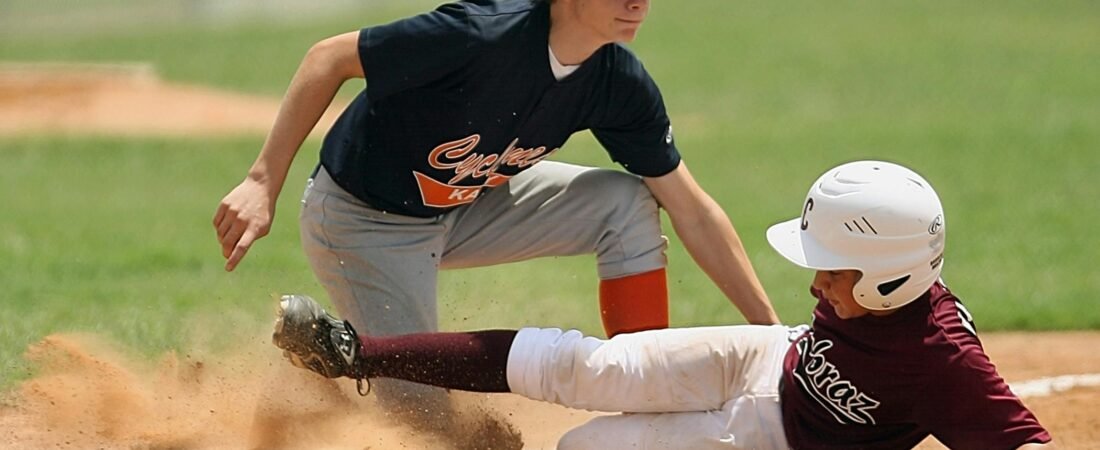
Today’s young athletes are practicing more than ever.
More games.
More lessons.
More teams.
And yet — injuries, burnout, and performance plateaus are rising across youth sports.
Why?
Because most young athletes are being trained in skills…
but not being prepared physically for the demands of the sport.
Playing More Isn’t the Same as Being Prepared
Practices are designed to improve:
- Technique
- Strategy
- Game awareness
They are not designed to develop:
- Joint stability
- Strength
- Movement control
- Injury resilience
That’s not a flaw — it’s simply not their role.
But it does create a gap.
And that gap is where many young athletes begin to struggle.
Growing Bodies Need Support
Youth athletes are still developing physically.
Bones grow faster than muscles can adapt.
Coordination changes.
Balance fluctuates.
Without proper physical preparation, repetitive sport demands can lead to:
- Overuse injuries
- Fatigue
- Loss of confidence
- Decreased performance
Many parents assume more play will build strength naturally.
In reality, repetitive movement without support can create imbalance instead.
Strength Builds More Than Power
When young athletes build strength and movement control, they often experience:
- Better coordination
- Improved balance
- Increased confidence
- Faster reaction time
- Greater resilience during long seasons
They move more efficiently and feel more capable.
That confidence carries onto the field.
Injury Prevention Starts Before There’s a Problem
Many families don’t consider physical preparation until an injury occurs.
But the most effective approach is proactive, not reactive.
Supporting stability, mobility, and movement quality helps athletes:
- Stay available to play
- Reduce strain from repetitive movement
- Handle increased training loads
The Goal Isn’t Just to Play More
Parents want their children to succeed — but also to stay healthy and enjoy the experience.
Building physical readiness helps athletes:
- Stay in the game longer
- Perform with confidence
- Avoid preventable setbacks
Because long-term development isn’t about doing more.
It’s about supporting the body that does the work.
The goal isn’t just to play more.
It’s to build athletes who can keep playing.