
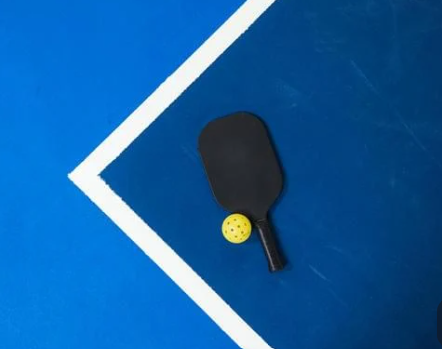
Over the past few years, pickleball has exploded in popularity across the United States. The sport is fun, social, relatively easy to learn, and often marketed as a “low-impact” activity perfect for older adults. While pickleball certainly offers many health benefits, there is a growing trend that healthcare providers are noticing: more older adults are ending up in emergency rooms after playing.
So what’s going on?
The Rapid Growth of Pickleball
Pickleball is now one of the fastest-growing sports in the country. As participation has increased, so have injuries. Recent research using emergency department data found that pickleball-related injuries rose 91% between 2020 and 2022, while hospital admissions increased by 257% during the same time period.
Older adults make up the majority of those injuries. In fact, studies show that about 87% of emergency-room visits for pickleball injuries involve players over age 50.
Why Older Players Are at Higher Risk
Pickleball itself isn’t necessarily dangerous. The issue often lies in how people approach the sport, especially later in life.
Here are several reasons injuries are increasing.
1. Sudden Activity After Years of Inactivity
Many people discover pickleball after years of relatively low activity levels. Jumping into a sport that involves quick direction changes, lunging, and repeated swings can overload muscles, joints, and tendons that aren’t prepared for that intensity.
2. Falls Are the Most Common Injury
Research shows that slips, trips, and falls are responsible for a large percentage of pickleball injuries, especially among older players.
Because bone density often decreases with age, these falls are more likely to result in fractures—particularly wrist, arm, and hip injuries.
3. Decreased Balance and Reaction Time
As we age, balance, coordination, and reaction speed naturally decline. Pickleball may look slow, but rallies at the net can happen very quickly, forcing players to react suddenly. These quick movements can lead to missteps, awkward landings, and pulled muscles.
4. Overuse and Playing Too Often
One of the best things about pickleball is also one of the biggest risks: it’s addictive. Many players go from little activity to playing several hours a day, multiple days per week, which can lead to overuse injuries such as:
- Achilles tendon tears
- Rotator cuff injuries
- Tennis elbow
- Knee and ankle strains
These injuries often develop gradually but can become severe if ignored.
5. Lack of Strength and Mobility Training
Many recreational players skip warm-ups, strength training, and mobility work. Without proper conditioning, the body is less prepared for the demands of quick lateral movement and repetitive swinging.
The Good News: Pickleball Is Still Great Exercise
Despite the injury statistics, pickleball can still be an excellent activity for older adults. It promotes:
- Cardiovascular health
- Social interaction
- Coordination and agility
- Overall physical activity
The key is preparing your body to play safely.
How to Reduce Your Risk of Injury
If you enjoy pickleball—or want to start playing—these strategies can help keep you healthy:
1. Strength train regularly
Focus on legs, core, and shoulders to stabilize joints.
2. Improve mobility and balance
Exercises for hips, ankles, and balance can dramatically reduce fall risk.
3. Warm up before playing
Light movement and dynamic stretching prepare muscles and joints.
4. Build up gradually
Start with shorter sessions rather than jumping into hours of play.
5. Use proper footwear
Court shoes with lateral support can help prevent ankle injuries.
Train for the Game, Not Just the Game Itself
One of the biggest mistakes recreational athletes make is only playing the sport and skipping the training that supports it.
Strength training, mobility work, and agility drills can dramatically reduce the risk of injury while improving performance on the court.
In other words, if you want to keep playing pickleball for years to come, train your body for the demands of the game.